United States — Global AI investment keeps growing as AI becomes a new economic engine
AI You Editorial Summary · Source: Stanford HAI 2026 AI Index
6 min read
Artificial intelligence is no longer only an innovation tool for the technology industry. In 2026 it has become a major force driving global economic growth. From AI compute investment in the United States, to smart manufacturing in Europe, robotics in Asia and digital-economy construction in the Middle East, countries are accelerating their AI-industry strategies.
AI is changing more than the way people work. It is also transforming financial services, international trade, healthcare, real estate, energy, manufacturing, education and the job market.
This special feature highlights ten AI-economy directions worth watching, drawing on recent policy, investment and industry news to show how artificial intelligence is creating new economic growth opportunities.
From AI gigafactories in Europe to smart-city programmes in the Middle East, this issue tracks how compute, capital and policy are converging to reshape national economies.
Ten countries and regions, ten directions. Each entry sums up the latest policy, investment and industry news, the key economic directions to watch, and the opportunity ahead.
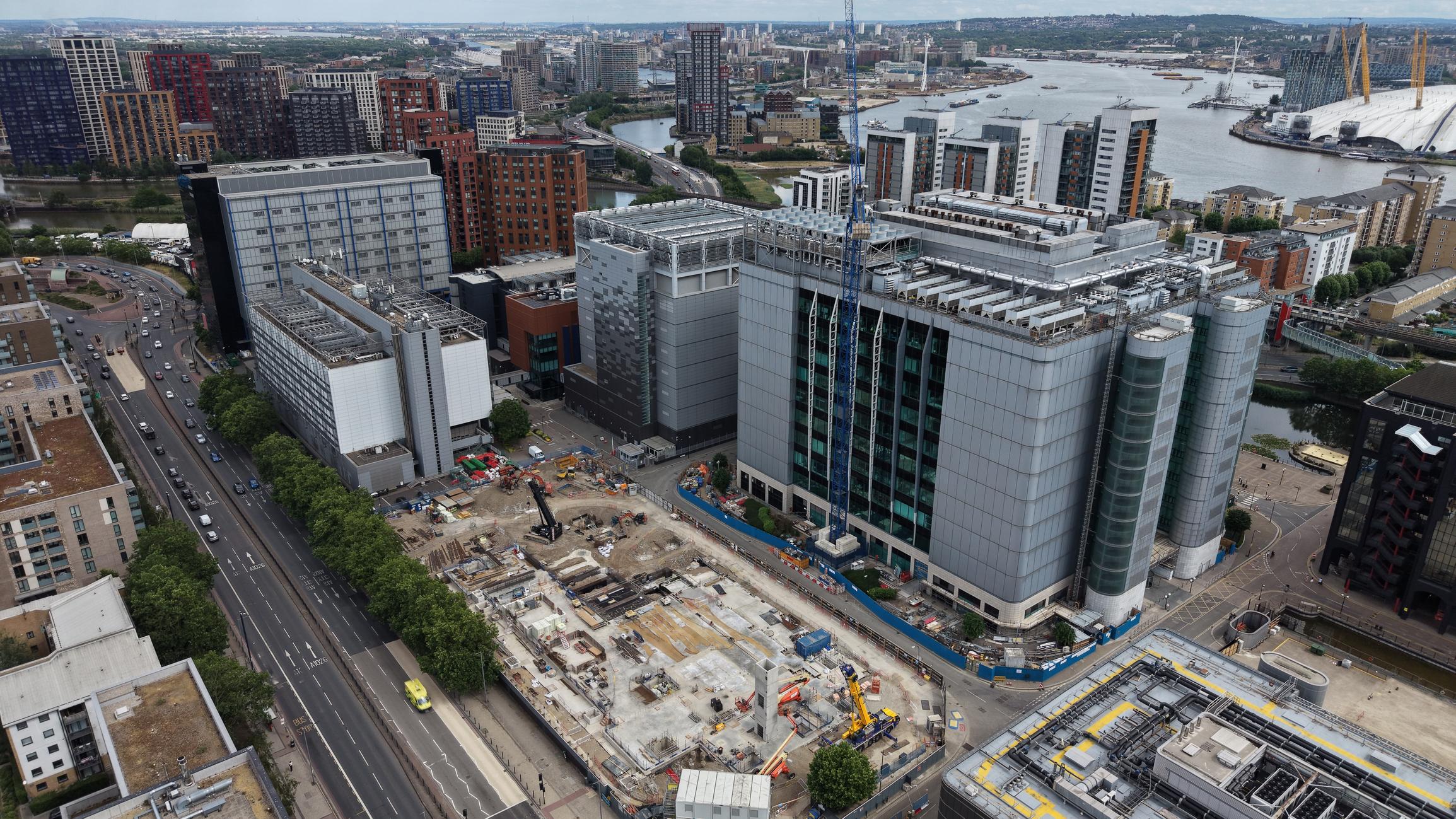
The United States continues to lead the world in private AI investment. Stanford’s 2026 AI Index shows that global enterprise AI investment reached about US$581.69B in 2025, with private investment up 127.5% and generative-AI investment up more than 200%. AI is no longer only a research project — it is becoming a core direction for capital markets, infrastructure and enterprise operations.
Future opportunity: AI software services, cloud computing, the chip industry, data centre construction and enterprise automation solutions.
Europe is building its own AI compute infrastructure to reduce reliance on overseas platforms and strengthen the global competitiveness of European firms. The EU’s AI Gigafactories plan proposes up to seven AI supercomputing factories, backed by up to €10B in EU and member-state funding and expected to mobilise at least €20B in private investment.
Future opportunity: AI compute leasing, data centre operations, energy supply, AI software development and industrial digitalisation.
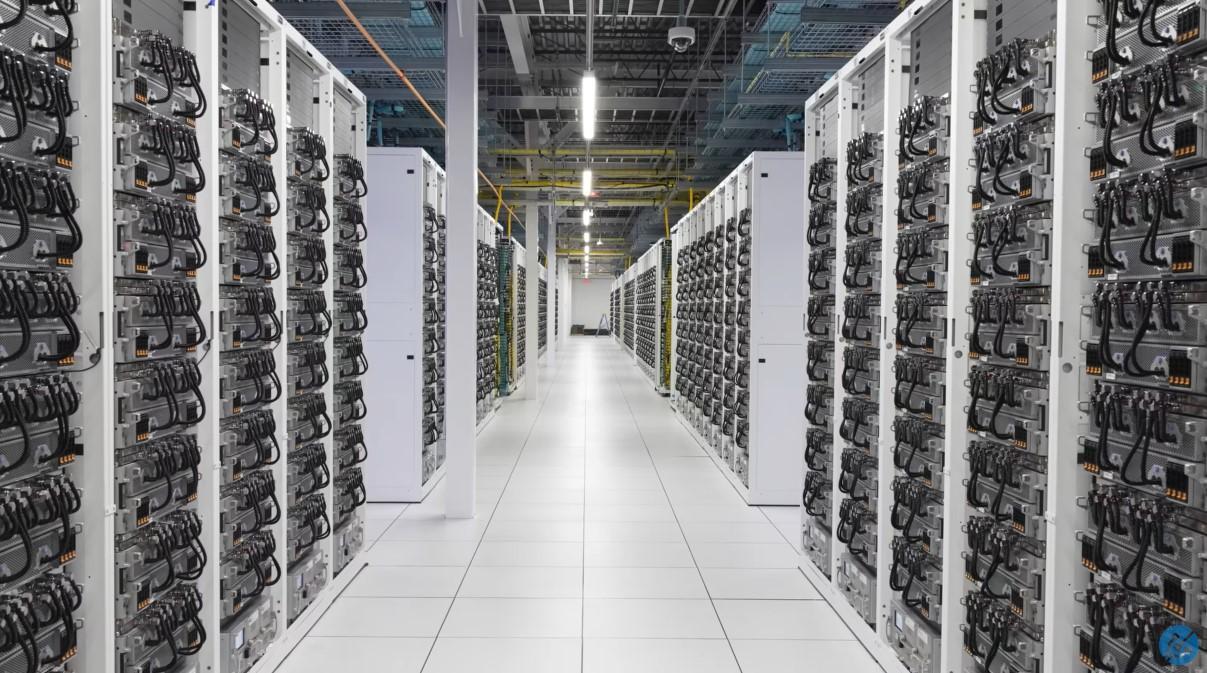
The United Kingdom treats AI as a core part of future industrial competitiveness. As models grow, data centres need more power, network and compute. On 28 October 2026 the UK published plans to speed up grid connections for important AI data centres, giving qualifying projects priority grid access and planning support — with operators expected to create jobs, protect water resources and bring benefits to local communities.
Future opportunity: AI data centre investment, cloud services, energy management, smart infrastructure and digital security.
Singapore and Germany are expanding cooperation in AI, with a focus on industrial AI, smart manufacturing, digital trade and tech innovation. At a leaders’ meeting on 27 October 2026 they added AI to their updated five cooperation areas, combining Germany’s industrial, engineering and automotive base with Singapore’s digital infrastructure, trade and financial-services strengths.
Future opportunity: Industrial AI software, smart devices, enterprise digital consulting and cross-border technology cooperation.
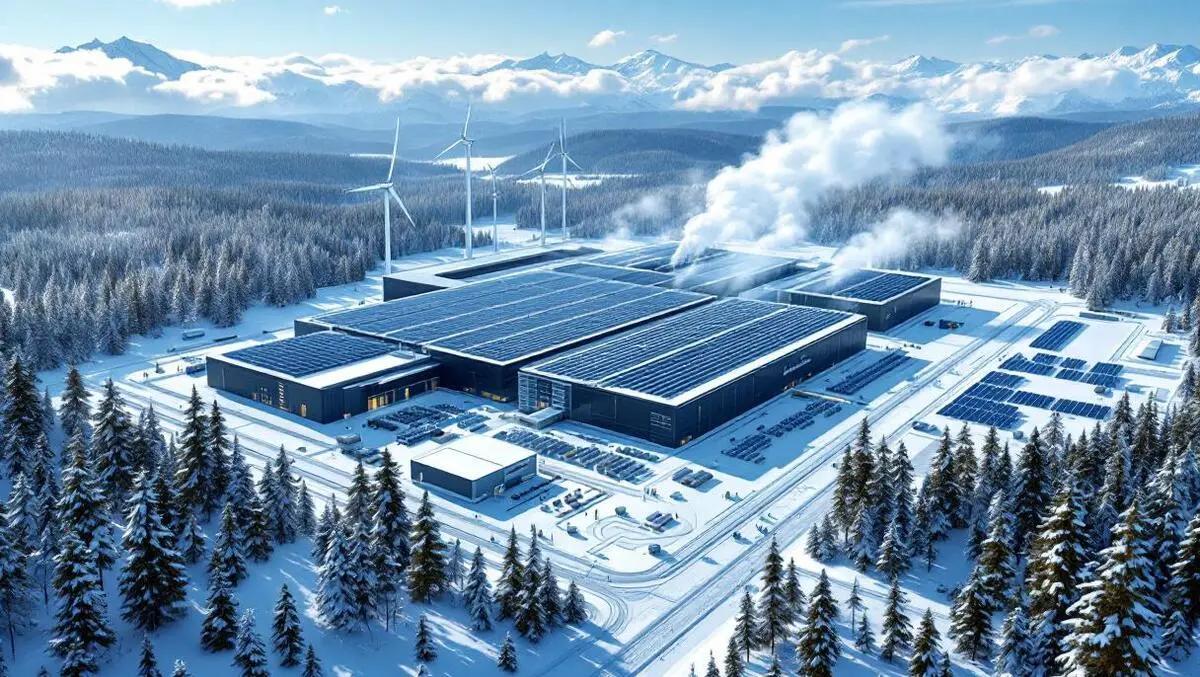
Canada is using abundant power, a cooler climate and stable digital infrastructure to attract global AI investment. In September 2026 the government announced support for Bell Canada to expand its AI compute infrastructure in Saskatchewan — a project that could add up to 900 MW of capacity and grow into a 1.2 GW AI infrastructure centre, with up to C$52.5B in capital investment and about 4,500 high-quality jobs.
Future opportunity: Data centre construction, green power, server maintenance, cloud computing and enterprise AI infrastructure.
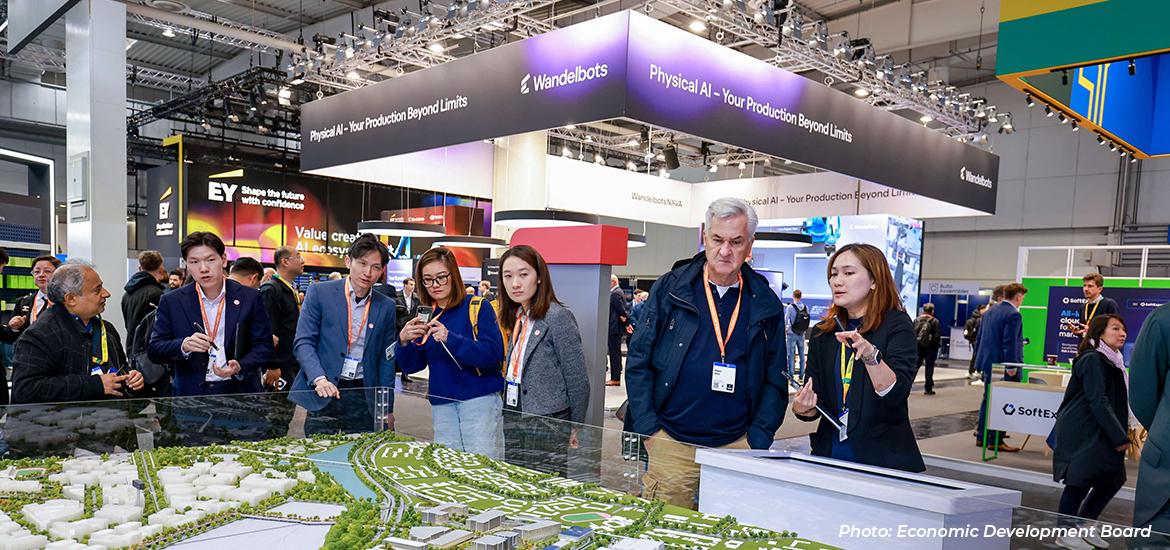
India is exploring how AI can help developing economies raise industrial competitiveness and is applying the technology to more traditional industries. On 8 October 2026 the Ministry of Electronics and IT, with the World Bank Group, launched the “World Development Report 2026: The Promise of AI” in New Delhi, focusing on how developing economies can drive socio-economic progress through AI adoption, adaptation and innovation.
Future opportunity: AI software outsourcing, enterprise automation tools, education technology, fintech and digital service exports.
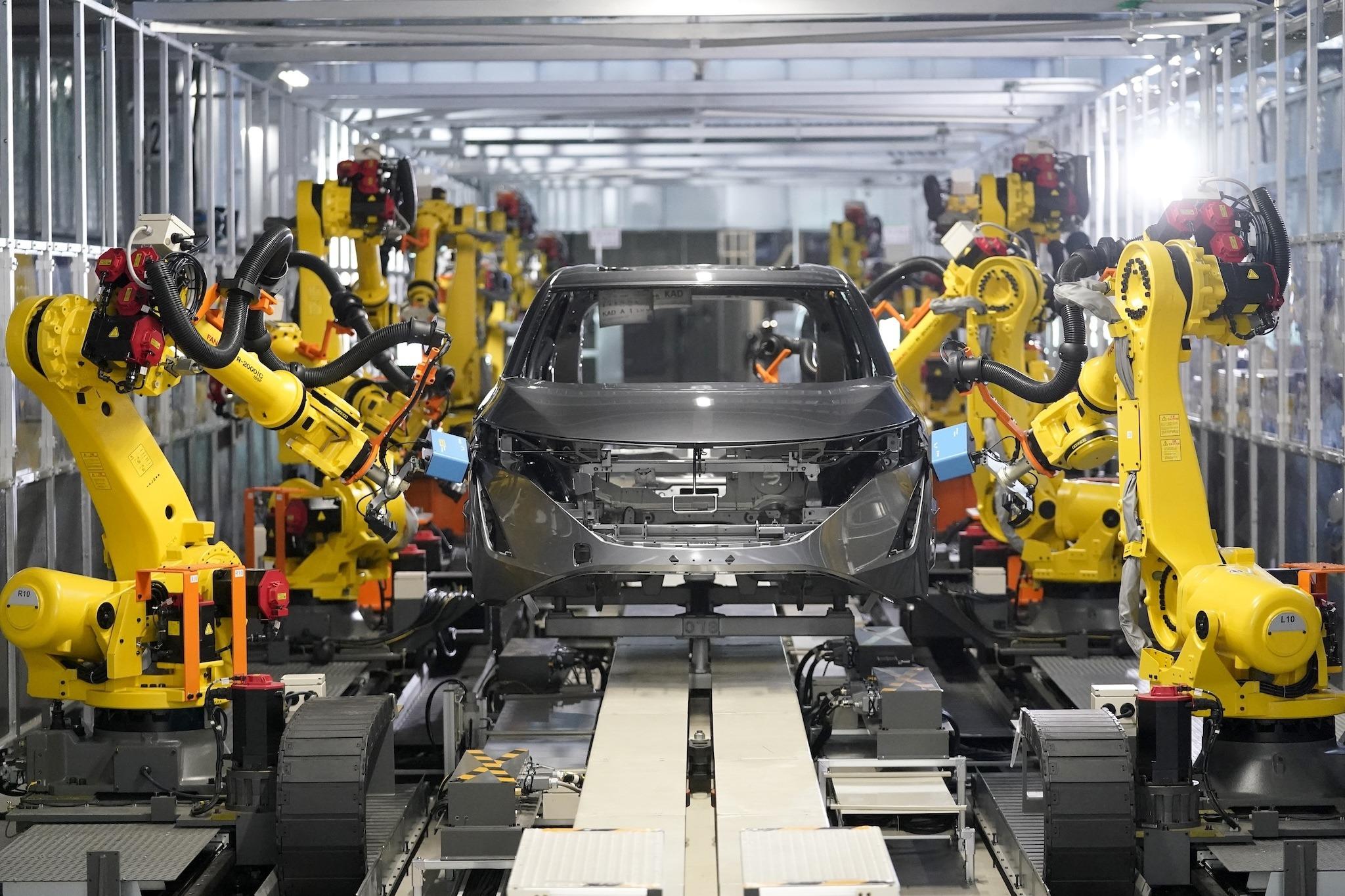
Japan and South Korea are deepening future-industry cooperation, naming AI, robotics and advanced materials as priorities. At an economic exchange meeting in Daegu on 23 October 2026, about 150 representatives from government, business, economic organisations and research institutes discussed combining their manufacturing strengths — Japan’s industrial robotics and precision manufacturing with Korea’s electronics, semiconductors and displays.
Future opportunity: Robot components, industrial AI software, automation equipment, semiconductors and smart factory solutions.
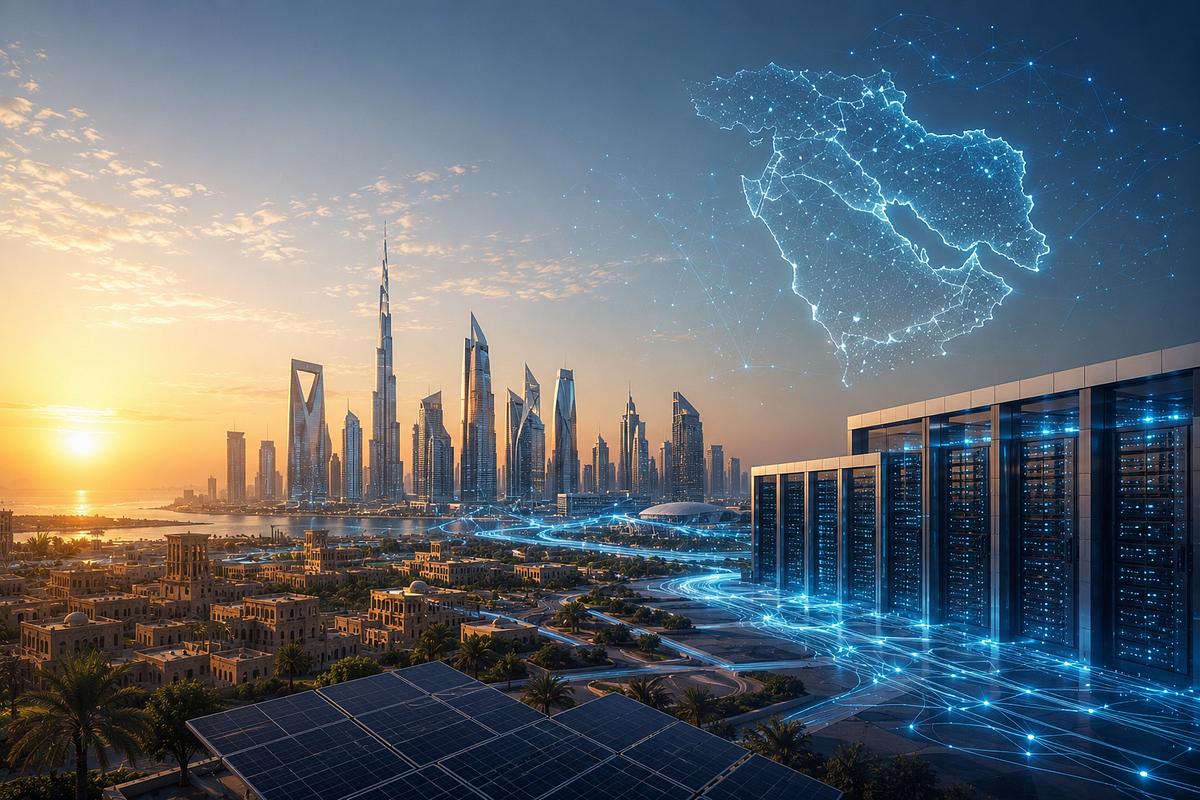
The Middle East is pushing economic diversification, with AI becoming a key direction beyond energy, finance, urban construction and digital services. A World Economic Forum report published in October 2026 sees AI unlocking more than US$1 trillion in economic and sustainable-development value for the Middle East and North Africa by 2030, as the UAE and Saudi Arabia expand into data centres, cloud and AI infrastructure.
Future opportunity: Smart city systems, fintech, digital infrastructure, enterprise AI services and energy technology.

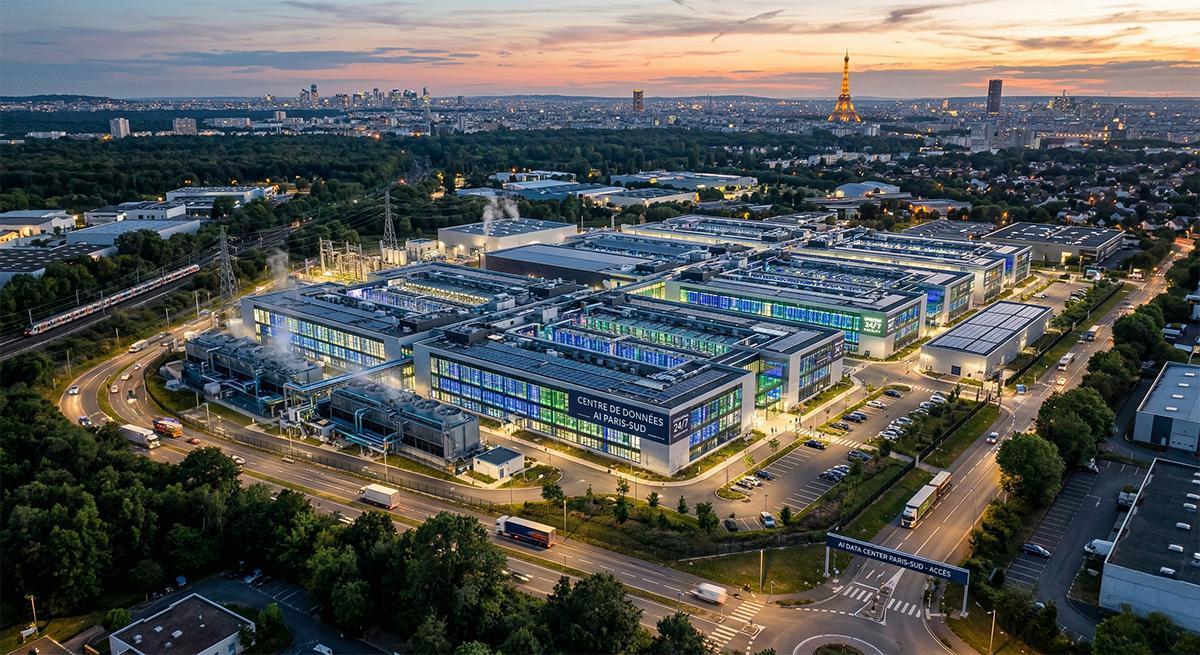
France is becoming one of Europe’s key AI infrastructure markets. In June 2026 SoftBank announced plans to develop AI data centres in France, investing about €75B and planning up to 5 GW of AI data centre capacity. The plan reflects Europe’s accelerating race for AI infrastructure, as training and running models requires enormous computing resources.
Future opportunity: Data centre construction, chip and server supply chains, energy management and AI infrastructure services.
AI is becoming an important growth driver for the global economy, but as investment scales up, international financial institutions are paying more attention to long-term returns and potential risks. In an article published on 15 October 2026, the IMF Managing Director said AI investment is having a profound impact, and that effective adoption could add about 0.5 percentage points to global growth each year over the next decade.
Future opportunity: Enterprise AI transformation, smart office, AI training, digital services and industrial automation.

From national policy and investment to industrial development, artificial intelligence is forming several economic fields with long-term potential.
| Country / Region | Key Focus | Economic Opportunity |
|---|---|---|
| United States | AI models, compute | Tech investment, cloud services |
| European Union | AI supercomputing | Data centres, industrial AI |
| United Kingdom | AI infrastructure | Power, cybersecurity |
| Singapore & Germany | Industrial AI | Smart manufacturing, digital trade |
| Canada | AI data centres | Clean energy, compute services |
| India | Inclusive AI adoption | Software outsourcing, education |
| Japan & Korea | AI robotics | Automation, semiconductors |
| Middle East | AI digital economy | Smart cities, fintech |
| France | AI infrastructure | Cloud computing, energy |
| Global | AI productivity | Enterprise services, talent training |
The global AI industry is entering a phase of even larger capital investment. As AI models keep advancing, demand from technology companies for advanced chips, data centres, cloud computing and network infrastructure continues to rise.
On 3 November 2026, Reuters reported that global financial leaders, discussing the AI investment boom in Hong Kong, said technology companies may need to raise more capital to meet the fast-expanding funding needs of the industry. Large technology companies’ 2026 capital expenditure is expected to exceed US$730 billion — and investors are beginning to question whether the huge AI investment will generate sufficient commercial returns.
Future watch: AI infrastructure financing, technology-company investment, the semiconductor supply chain and the cloud computing market.
Competition in the AI industry has extended from models and software to chips, critical minerals, power, advanced manufacturing and international supply chains. On 3 November 2026, the US Information Technology and Innovation Foundation (ITIF) published an update on the “Pax Silica” international cooperation mechanism.
Driven by the United States, its initial participants include the US, the UK, Japan, South Korea, Singapore, Australia and Israel, focusing on cooperation in the key supply chains that support the AI industry. Advanced semiconductors, critical minerals, energy equipment and data centre infrastructure are becoming ever more important.
Future watch: Chip manufacturing, semiconductor materials, advanced equipment, critical minerals and international technology trade.
Europe is running an AI innovation campaign spanning multiple industries, aiming to move AI from the lab and technology companies into broader commercial applications. The European Commission’s “European AI Innovation Month” launched on 14 October 2026 and runs until 17 November.
It covers an international AI summit, an AI science summit and an AI application summit, bringing together policymakers, businesses, investors, researchers and startups. The focus is not only more advanced AI technology, but also how to use AI to improve the international competitiveness of European companies.
Future watch: European AI startups, enterprise intelligence, AI scientific research and cross-border technology cooperation.
The rapid development of AI is creating a new economic demand: electricity. The IEA’s “Powering Artificial Intelligence” report notes that global large data centre operators’ capital expenditure in 2026 is expected to exceed US$700 billion, mainly to build new data centres.
AI data centres need large amounts of power to run GPU servers, cooling equipment and network systems. As their scale grows, power supply, transmission networks and energy storage have become key concerns for many countries. Data centre companies are also increasing renewable-energy procurement: in the first half of 2026, power purchase agreements reached 45 TWh, up nearly 20% on the same period in 2025.
Future watch: Green power, energy storage, grid engineering, nuclear power and data centre energy management.
Read the ten country and regional profiles, compare policy and infrastructure trends, and explore the latest editorial briefs.